From Stage to Screen: How to Adjust Your Performance

Transitioning from stage acting to screen performance is one of the biggest shifts an actor can experience. While both mediums demand strong storytelling skills, the techniques that work in a live theater setting often need refinement to suit the intimacy of the camera. Understanding these differences can make your performance more natural, impactful, and believable on screen.
The Scale of Expression
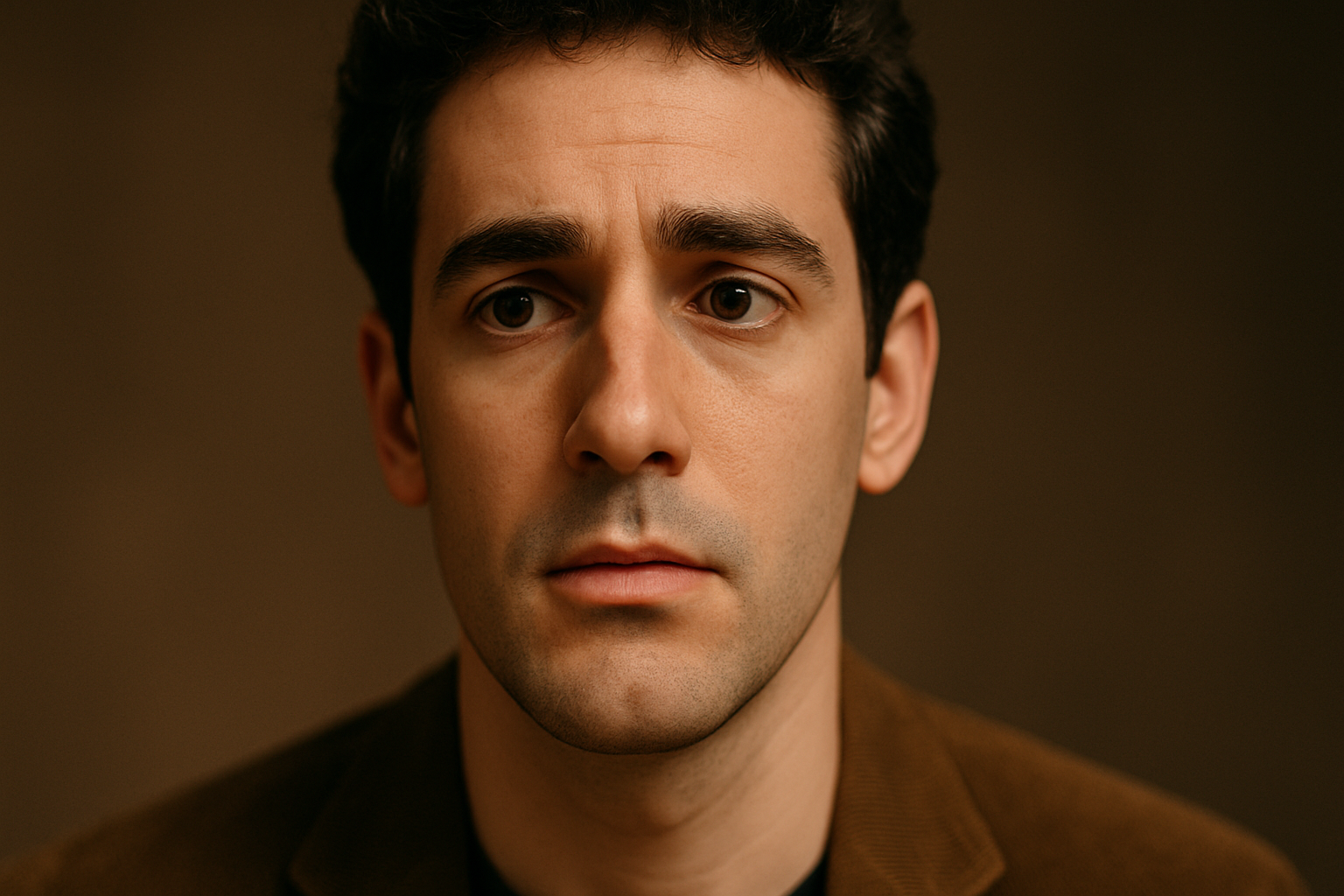
On stage, actors project their voices and exaggerate gestures to ensure even the last row of the theater feels the emotion. In film, however, the camera captures subtle details. A raised eyebrow or a slight shift in tone can communicate just as much as a full-body gesture on stage. For screen acting, it’s essential to tone down the physicality and focus on micro-expressions that convey authentic emotions.
Voice and Projection
In theater, voice projection is critical to reach the entire audience without microphones. For film and television, microphones pick up the smallest nuance in your voice. Instead of projecting loudly, actors must focus on clarity, modulation, and truthfulness in delivery. A whisper in film can be just as powerful as a shout on stage, provided it is emotionally honest.
Awareness of Space and Equipment
Stage performers are trained to be conscious of blocking, stage directions, and sightlines. In front of the camera, the considerations change: hitting your mark, staying within the frame, and being aware of lighting and camera angles are crucial. A successful screen actor knows how to adjust their movements without appearing mechanical, blending technical awareness with natural performance.
Timing and Pacing
Theater thrives on energy exchange between performers and a live audience, often influencing timing and rhythm. Film acting, however, requires patience. Scenes are shot out of order, with multiple takes and angles. Maintaining emotional consistency and adaptability across different takes is a skill that separates great screen actors from beginners.
Emotional Truth Above All
Ultimately, whether on stage or screen, authenticity is the heart of performance. While theater demands a larger-than-life presence, and film thrives on subtle realism, both rely on an actor’s ability to inhabit a character fully. The key is learning to channel emotions in a way that fits the medium without losing the truth of the moment.

Conclusion
Adapting from stage to screen is not about abandoning one skill set for another but about refining and reshaping what you already know. By scaling down expressions, adjusting vocal delivery, and embracing the technical aspects of film, actors can bring the same emotional power that captivates a theater audience into a single close-up shot.
To learn more tips and tricks for actors and models, feel free to sign up for our next FREE Online Workshop. On this free Online Workshop, you will learn about the recent changes in the modeling and acting industries that are opening the doors for more job opportunities. You will also learn cutting-edge ways to have good-paying modeling and acting jobs in your local area, flood into your email inbox on a regular basis. You will learn what to do to land these jobs from the comfort of your own home. Click below to register now!